
Udawalawe National Park with a private driver
Udawalawe National Park offers something that wildlife parks in many countries cannot: a near-guarantee of wild elephant sightings. The park was created in 1972 around the Udawalawe reservoir in the dry-zone foothills between the hill country and the south coast, and the open savannah grassland that surrounds the water is home to a resident population of approximately 500 to 700 wild elephants. Unlike Yala, where vegetation is denser and sightings more dependent on luck, Udawalawe's open landscape means that herds of 30, 50 or more elephants grazing in the morning light against the reservoir backdrop are a routine rather than a highlight. Elephants are present year-round; sightings on every game drive are the norm rather than the exception. This reliability makes Udawalawe Sri Lanka's most family-friendly safari destination — it is the park where a first-time safari visitor, a child or someone who simply cannot afford the gamble of missing the main attraction will reliably see what they came for. In addition to elephants, the park holds water buffalo, sambar deer, wild boar, crocodiles, painted storks and a variety of raptors including fish eagles. The Elephant Transit Home, a government rehabilitation centre adjacent to the park that cares for orphaned elephant calves before releasing them back to the wild, operates public feeding sessions four times daily and is one of the most moving wildlife experiences in Sri Lanka.
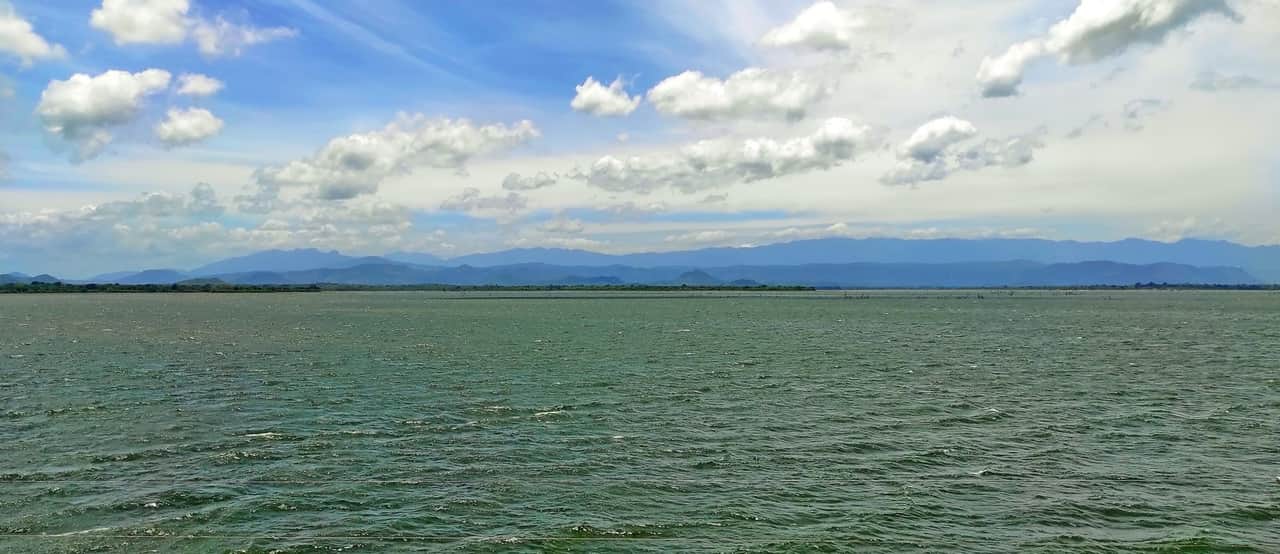
What your driver shows you in Udawalawe National Park
- Near-guaranteed wild elephant herds of 30 to 100 animals
- Open savannah with reservoir — exceptional morning photography
- Elephant Transit Home — orphaned calf feeding sessions
- Water buffalo, crocodiles, storks and fish eagles
- Ideal stop between Ella and the south coast on any route
The Elephant Transit Home — feeding times explained
The Elephant Transit Home (ETH) is a government-run rehabilitation facility adjacent to Udawalawe National Park that takes in orphaned, injured and abandoned elephant calves — mostly young animals whose mothers have died or been separated from the herd — raises them in a semi-wild environment, and releases them back into the park when they are old enough. The ETH is not a zoo or an elephant sanctuary with riding or bathing: it is a working conservation facility where human contact with the animals is deliberately minimised to preserve their wild instincts for eventual release. Visitors observe from a distance, from a covered viewing platform, during the four daily milk-feeding sessions at approximately 9am, noon, 3pm and 6pm. Watching a group of 20 or 30 young calves running in to feed — different sizes representing different ages — is genuinely charming, and the conservation mission behind the facility is straightforward and admirable. Entry is free. The ETH is on the main road adjacent to the park and can be visited separately from the national park game drive or combined as a stop before or after.
Best time to visit Udawalawe
Udawalawe is one of the few Sri Lankan national parks that is genuinely good year-round. The peak season for elephant sightings is the dry period from June through September, when the reservoir water level drops and the elephants concentrate around the remaining water sources and become easier to find in the open. However, even in the wetter months (October to January) the park is productive — elephants are always present and the vegetation does not reach the height that makes spotting difficult in denser parks like Sinharaja. Morning game drives (park opens at 6am) give the best sightings, cooler temperatures and the golden light that makes the open-savannah photography so rewarding. Afternoon drives from 3pm are also productive. Midday in the dry season is hot and animals rest in the shade, making mid-morning the less productive window. Your private driver books the park jeep and times the drive for the most productive hours.
How to get to Udawalawe National Park
The simplest way to reach Udawalawe National Park is with a private driver: you're met at Colombo Airport (CMB) with a name board and driven door to door, with no timetables, bus changes or luggage hassle. Because the daily rate is charged per vehicle rather than per person, it's also the best value for couples, families and small groups.
Udawalawe National Park FAQs
Udawalawe or Yala for a safari?
Udawalawe for near-guaranteed elephants on open savannah — the sightings are more reliable, the landscape is easier to see across, and it is more family-friendly. Yala for the chance of leopards and a wilder mix of habitat. Many travellers on 10-day or longer tours do both: Udawalawe on the way from Ella to the south coast, Yala as a dedicated safari day before heading back north.
What is the Udawalawe National Park entrance fee?
Foreign visitors pay approximately USD $15 per person plus vehicle entry and tracker fees (charged separately at the gate). The total cost for a small group in one jeep is typically LKR 15,000–25,000 depending on group size and current fee structures. Prices are set by the Department of Wildlife Conservation and change periodically — confirm with your driver before the visit.
How many elephants are in Udawalawe?
The resident population is estimated at 500 to 700 elephants, one of the highest densities of wild Asian elephants in any national park in the world. Game drives regularly encounter multiple herds totalling 50 to 100 individuals in a single 3-hour circuit.
Is Udawalawe good for families with children?
It is one of the best family safari destinations in Sri Lanka. Elephant sightings are near-certain, the game drives are not excessively bumpy, and the Elephant Transit Home feeding sessions are perfect for children. The open landscape means children can see the animals clearly without the frustrating 'where is it?' moments of denser bush.
How long is a typical Udawalawe safari?
A morning game drive typically runs from gate opening at 6am for 3 to 4 hours. An afternoon drive runs from around 3pm for 3 hours before closing. Most visitors do one drive; those staying overnight do morning and afternoon drives on the same day, which significantly increases the variety of sightings.
Useful resources for visiting Udawalawe National Park
Related reading
See Udawalawe National Park at your own pace
One trusted driver, transparent daily rate, and a route you can change any time. Free airport pickup on longer tours.
Plan my tripNo payment now · Free cancellation up to 7 days