
Trincomalee with a private driver
Trincomalee is Sri Lanka's east coast city, built around one of the finest natural deep-water harbours in Asia — a vast, sheltered bay that has been fought over by the Portuguese, Dutch, British and Japanese across four centuries of colonial history. Today the city is best known to travellers for the beaches of Nilaveli and Uppuveli on the bay's northern shore, the coral reef and snorkelling of Pigeon Island National Park 1km offshore, and the Koneswaram Hindu temple perched dramatically on a rock headland — Swami Rock — above the harbour entrance. The east coast operates on a different monsoon calendar from the south and west: May through September is the dry season here, with calm seas and brilliant visibility for snorkelling, while the south coast is in its monsoon. This means that a Sri Lanka tour in June, July or August — months when the south-coast beaches are rough — can pivot to the east coast for beaches and water activities without compromise. Trincomalee is also a whale watching destination from May through August, when blue whales and sperm whales are present offshore. A private driver makes the cross-country run from Sigiriya or Anuradhapura straightforward — roughly 2.5 hours — and can time the visit to combine the cultural triangle with the east coast in a single trip.
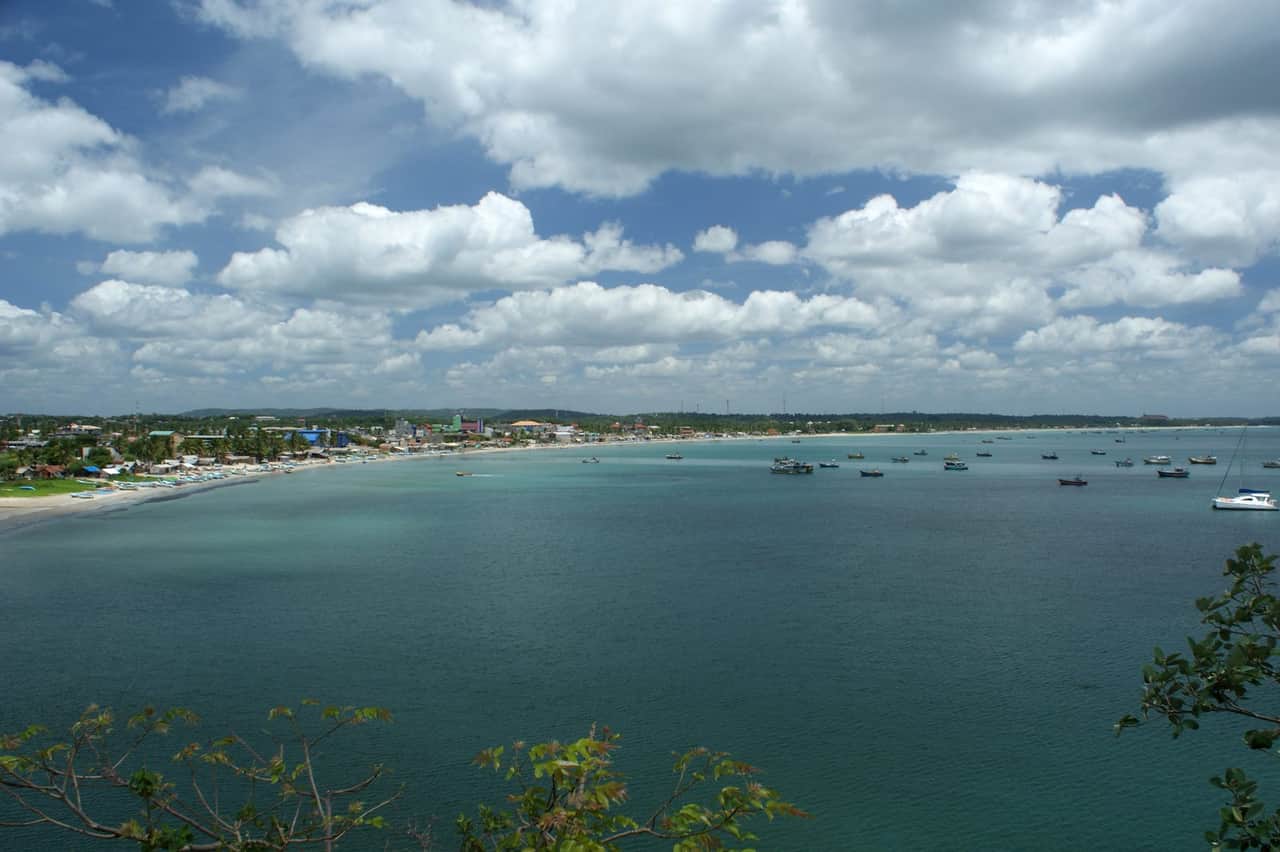
What your driver shows you in Trincomalee
- Pigeon Island coral reef snorkelling and blacktip reef sharks
- Nilaveli and Uppuveli white-sand beaches (May–September)
- Koneswaram temple on Swami Rock above the harbour
- Blue and sperm whale watching, May–August
- Kanniya hot springs, 8km inland from town
Pigeon Island — snorkelling and marine life
Pigeon Island National Park lies 1km offshore from Nilaveli beach and can be reached by boat in 10 minutes from the beach jetty. The island has two protected bays with shallow coral gardens — fragments of the Indo-Pacific reef system — and is one of the few places in Sri Lanka where blacktip reef sharks are reliably seen in the shallows. The visibility is best in June, July and August when the north-east trades keep the water clear and sediment-free. Snorkelling equipment can be hired from the jetty. The park entrance fee for foreign visitors is approximately USD $15 per person. Underwater camera footage from here shows table corals, sea fans, clownfish and shoals of parrotfish alongside the sharks — the concentration of marine life in a relatively small, protected area makes it one of the best snorkel sites in Sri Lanka. The boat trip itself passes close to the rocky Pigeon Island where rock pigeons nest, giving the island its name. Book the boat through your hotel or driver the evening before to secure a morning slot before the afternoon wind picks up.
Nilaveli vs Uppuveli — choosing your beach
Both beaches are on the Trincomalee bay north of the city, separated by about 15km of coast road. Uppuveli is closer to the city centre (8km), more developed with a strip of guesthouses and restaurants, and easier for an evening walk into town. Nilaveli is 16km north of the city, quieter and more spacious, with the beach largely backed by low vegetation rather than buildings — better for those who want solitude and the feeling of a less-developed coast. Both have the same fine white sand and calm, warm water from May through September. Nilaveli is the departure point for Pigeon Island boats. Uppuveli has a cluster of informal fish restaurants at the south end of the beach that are worth seeking out for an evening meal of fresh catch. If your trip is primarily about snorkelling at Pigeon Island, base yourself at Nilaveli. If you want more dining and walking options in the evenings, Uppuveli is better positioned.
How to get to Trincomalee
The simplest way to reach Trincomalee is with a private driver: you're met at Colombo Airport (CMB) with a name board and driven door to door, with no timetables, bus changes or luggage hassle. Because the daily rate is charged per vehicle rather than per person, it's also the best value for couples, families and small groups.
Trincomalee FAQs
When is the best time to visit Trincomalee?
May to September is the east coast dry season — calm seas, good snorkelling visibility and pleasant beach conditions. This is the mirror opposite of the south coast, which is in its monsoon during the same period. July and August are the peak months for both beaches and whale watching offshore.
What is the entrance fee for Pigeon Island?
Foreign visitors pay approximately USD $15 per person plus a boat transfer fee (typically LKR 1,000–2,000 return from the Nilaveli jetty). Snorkelling equipment is available to rent at the jetty. The park is managed by the Department of Wildlife Conservation and fees may change — confirm current rates with your driver or at the jetty.
How far is Trincomalee from Colombo?
About 260km and 5 to 6 hours by private car from Colombo, or around 2.5 hours from Sigiriya in the Cultural Triangle. Most travellers reach Trinco as part of a circuit: cultural triangle to east coast to Kandy and hill country, or vice versa.
Is Trincomalee or Arugam Bay better for beaches?
They are on the same east-coast season (May–September) but serve different travellers. Trincomalee has the best snorkelling (Pigeon Island), calmer seas, and good cultural sights in the town. Arugam Bay is for surfers — it has point breaks that are among the best in Asia. If you do not surf, Trincomalee is the better east-coast beach base.
Useful resources for visiting Trincomalee
Related reading
See Trincomalee at your own pace
One trusted driver, transparent daily rate, and a route you can change any time. Free airport pickup on longer tours.
Plan my tripNo payment now · Free cancellation up to 7 days